
Bledsoe County Obituary Records
Bledsoe County obituary records often need a careful, layered search because the county lost many early marriage books and some old courthouse material to fire. Even so, the record trail is still strong enough to work. Pikeville is the county seat, and the county clerk, circuit clerk, chancery office, library, and local historians can all help. A death notice may be the cleanest clue in a line that was damaged by fire. When that happens, the obituary can point you back to the family, the church, and the cemetery with enough detail to keep going.
Bledsoe County Quick Facts
Where to Find Bledsoe County Obituary Records
The Bledsoe County Courthouse on Main Street is the local hub for obituary work in Pikeville. The County Clerk, Circuit Court Clerk, Chancery Court, and Register of Deeds all matter because a death notice may point to a probate file, a marriage reference, or a land clue. Bledsoe County was formed in 1807, but the county lost many marriages between 1807 and 1907 and lost pre-1884 wills. That makes the surviving obituary and newspaper trail even more important. When the county record is thin, the notice can be the piece that ties the rest together.
The research notes also say deeds and court records escaped the courthouse fires, even though the earliest deed books are gone. That mix of loss and survival is typical for mountain counties, and it means you should search with patience. Bledsoe County obituary work often starts with a death notice, then moves into local family history. The Bledsoe County Public Library has a genealogy department, and the local historical and genealogy society can help with the harder lines. The county historian and local genealogists are useful when a surname repeats across several branches.
Because the record loss is uneven, one good clue can still be enough. The trick is knowing where to send that clue next.
Bledsoe County Obituary Sources
Local web help starts with Bledsoe County TNGenWeb. It is a useful place to look for surname notes, family lines, and county memory that can make a death notice easier to place. In a county with fire loss, a volunteer transcription can be more valuable than it first looks. If you only have a rough year or a partial name, the county page can still point you toward the right family branch.
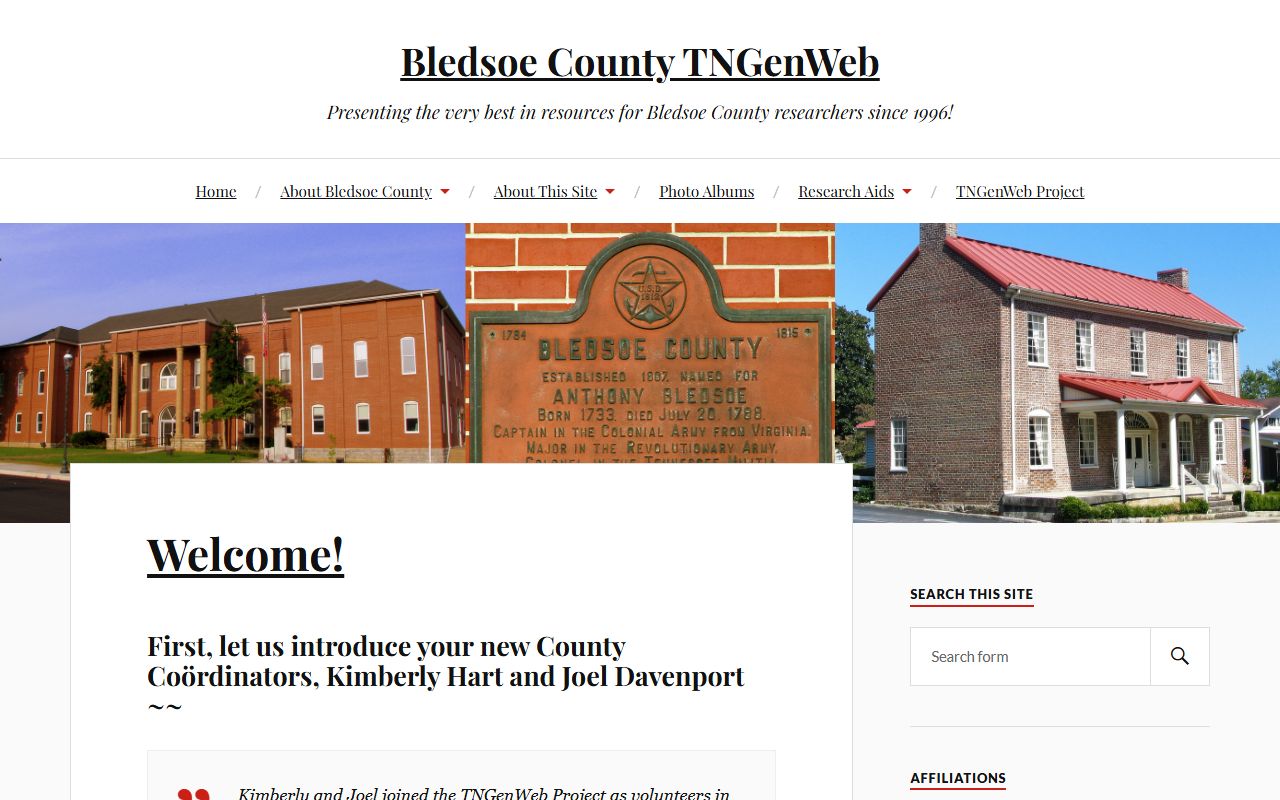
The TNGenWeb page is a good first stop. It can help you sort a common surname from the right Pikeville family.
The Tennessee Genealogical Society county page gives a second local view. It is not a court record, but it helps frame the county and can suggest where to look next. The society page works well with the county historian notes and the Bledsoe Historical & Genealogy Society, especially if the obituary names a family seat, a church, or a mountain community instead of a town.
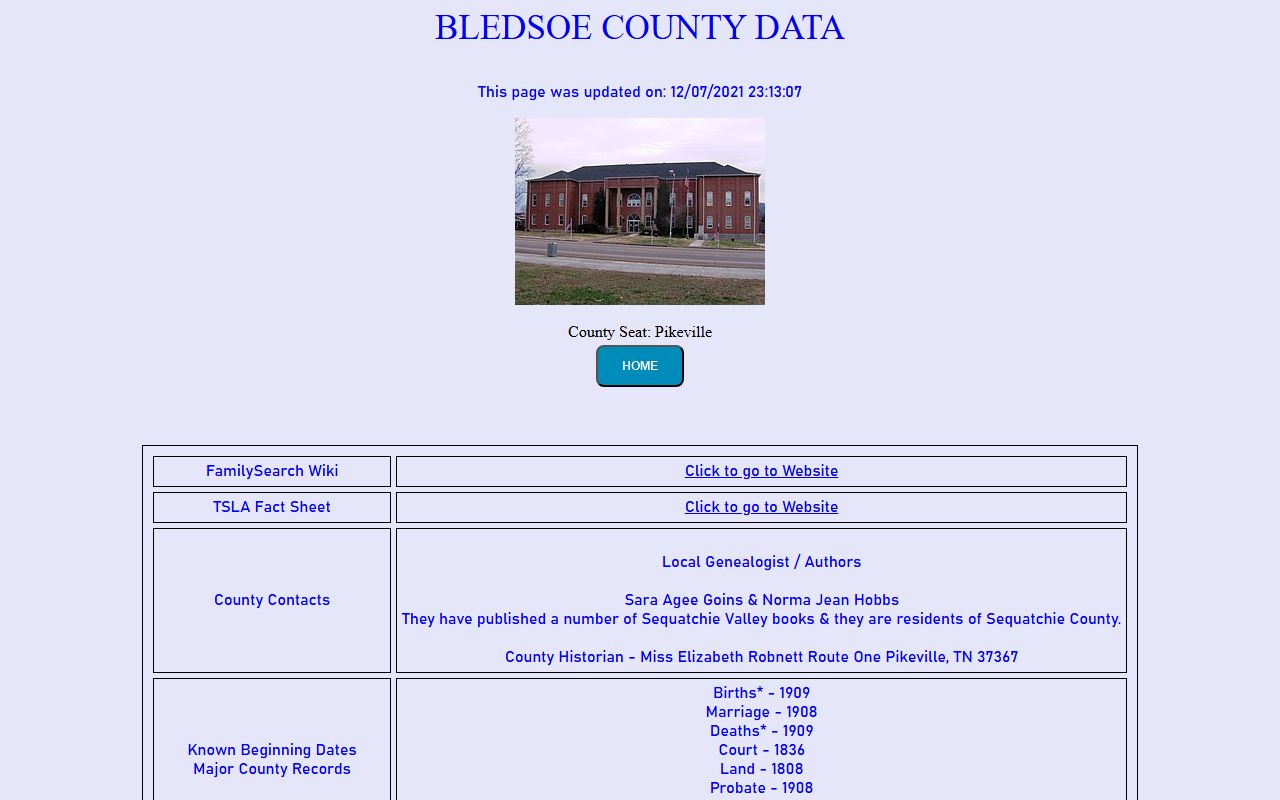
Use both pages in sequence. They often give you just enough context to move from a name to a place.
Because some early county books were lost, the local library and society matter a lot. The library can help with family research, and the historical society can provide context for old settlements and churches. If an obituary names a burial ground or a church, that clue may lead you into a cemetery list or a published family record.
Bledsoe County also connects well to Sequatchie Valley research. Local authors and historians have published work that can extend beyond the courthouse. That is useful when a death notice is short but the family lived in the same hollow or community for generations.
Search Bledsoe County Death Records
When a Bledsoe County obituary is only part of the story, the Tennessee state tools are the best way to finish it. The TSLA Genealogy Index Search brings several databases together, and that saves time when you need to compare a death notice with a county death entry. The TSLA vital records guide explains how the state and archive copies are divided. That is useful when a local record was damaged but a state index still survives.
If you need a certified record, the Tennessee Department of Health keeps the office at Vital Records and the help center at Vital Records Help Center. Tennessee rules still apply. Death, marriage, and divorce records are restricted for fifty years, and births are restricted for one hundred years. The entitlement guidance at the help center and the linked code pages explain who can get what. For obituary research, that usually means you start with the public notice and ask for the certificate only when you truly need it.
County records and state records work best together here. The obituary gives the family frame. The certificate gives the official proof. Use both when you can.
- Full name, plus maiden name if it appears
- Approximate death year or cemetery clue
- Church, school, or hollow name from the notice
- Names of spouse, children, or parents
- Any newspaper title, funeral home, or clipping note
Bledsoe County Obituary Images
The local image sources are helpful because they point to the same county resources in a more direct way. The Bledsoe County TNGenWeb page can lead you to cemetery transcriptions or family notes that do not show up in a general web search. That is a good fit for a county where the record trail was damaged but not destroyed.
It is a fast way to narrow the field before you start asking for copies.
The Tennessee Genealogical Society county page is another useful guide when a Bledsoe County death notice names a family line rather than a town. That is common in mountain counties. A single line in a notice can lead you to the right branch, and the county page can keep you from confusing one family with another.
State Obituary Records for Bledsoe County
Statewide resources matter even more in Bledsoe County because early loss can leave a hole in the local book set. For later death work, the 1908-1912 death index and the 1914-1933 statewide index are both worth checking.
Another state online library portal can add access to genealogy databases and newspaper tools. That matters when the obituary is not in the county paper you expected. A county search often begins at home, but it ends faster when state indexes are part of the plan.
Note: In Bledsoe County, the obituary may be the only clean record left for an early family line, so treat every name, place, and church reference as a clue worth saving.
Bledsoe County Public Access Notes
Most obituary material is public, but access depends on the record type. Newspaper notices are usually open. Court files are usually open unless sealed. Official vital records can be restricted by age and requester status. The Tennessee Public Records Act at T.C.A. § 10-7-503 supports public access to government records, while the vital records rules control certificates and copies. That is why a public obituary search and a certified death record request are related but not identical tasks.
The best Bledsoe County approach is simple. Start with the county sources in Pikeville, move to the state indexes when needed, and use the local library or society to round out the family story. That path fits the county's record history and keeps the search grounded in real sources.