
Fayette County Obituary Records
Fayette County obituary records need a careful read because the county courthouse burned in 1925 and some records were damaged or lost. That makes the local paper trail important. If you are searching in Somerville or a nearby community, the obituary may be the best surviving proof of a death, a spouse, or a burial place. The county clerk, library, historian, and local genealogy sources all help fill the gaps. A strong Fayette County search usually starts with the obituary and then widens to marriage, probate, and vital record support.
Fayette County Quick Facts
Where to Find Fayette County Obituary Records
The Fayette County Clerk office in Somerville is the starting point for many local searches, but the 1925 courthouse fire is the fact that shapes the whole research plan. The county notes say many records were damaged or destroyed, and marriage records from 1918 to 1925 were lost in the fire. That means the obituary can be more than a notice. It can be the surviving clue that links a person to the family line. The county clerk, register of deeds, circuit clerk, chancery office, and county library all help rebuild the paper trail.
Fayette County also has a public library with published county records, community histories, historical materials, a genealogy reference collection, and a microfilm reader-printer. That is valuable in a county with fire loss because the library can hold copies or local notes that the courthouse no longer has. The county historian and the local historical society add another layer. If the obituary names a church, a farm, or a family cemetery, these local resources often help you place it in the county's story.
Fayette County research is strongest when you accept the loss and work around it. The obituary is often the piece that survives first.
Fayette County Obituary Sources
The manifest image source is Fayette County TNGenWeb. It is a key local lead because it gives you a county-specific entry point and often points to family material that is not in an official index. In a county with courthouse-fire loss, volunteer transcriptions and county notes matter a lot. They can point you to the right family branch before you ask for copies or start chasing the wrong line.
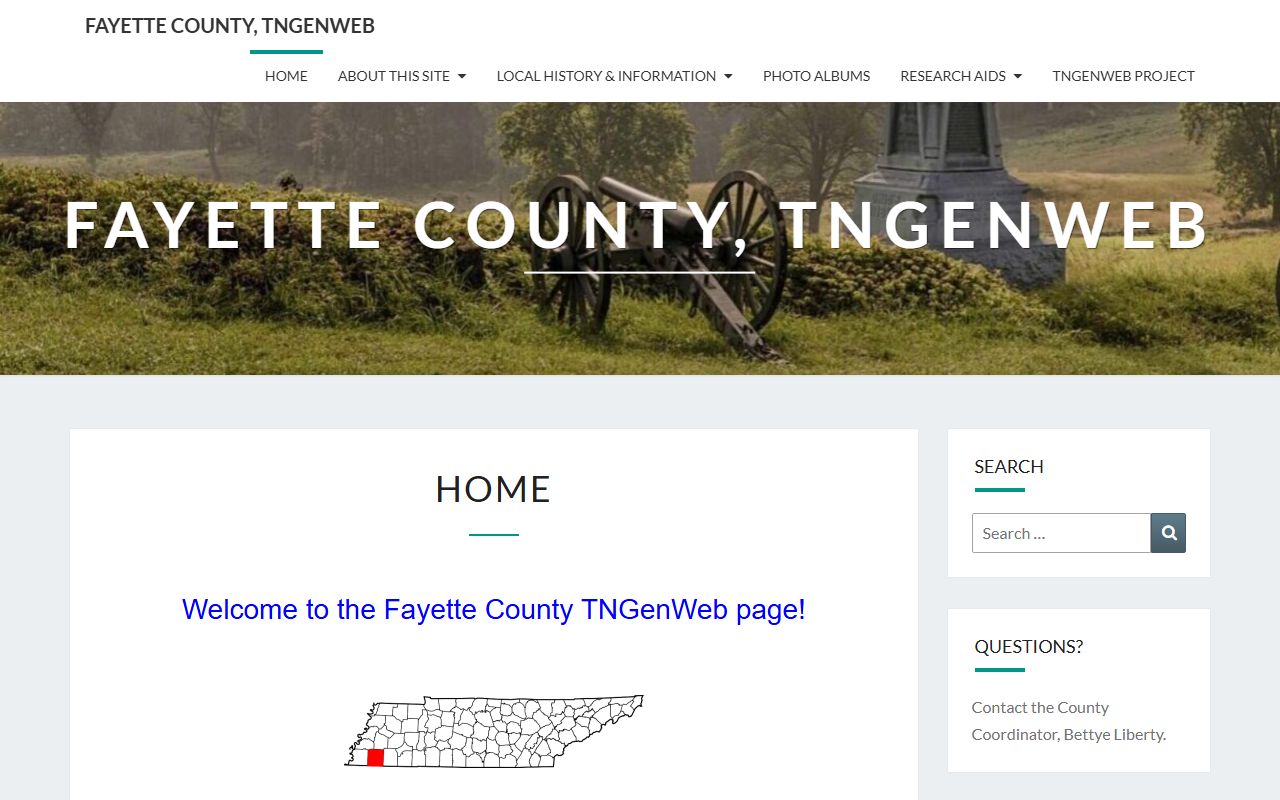
The TNGenWeb page is a smart first stop. It can help you get around the gaps left by the fire.
The Tennessee Genealogical Society county page is the other successful local manifest source. It works well with the county historian and the local genealogy notes. When an obituary names a family cemetery or a long-settled place, the county page can keep that clue from getting lost in a broader search.
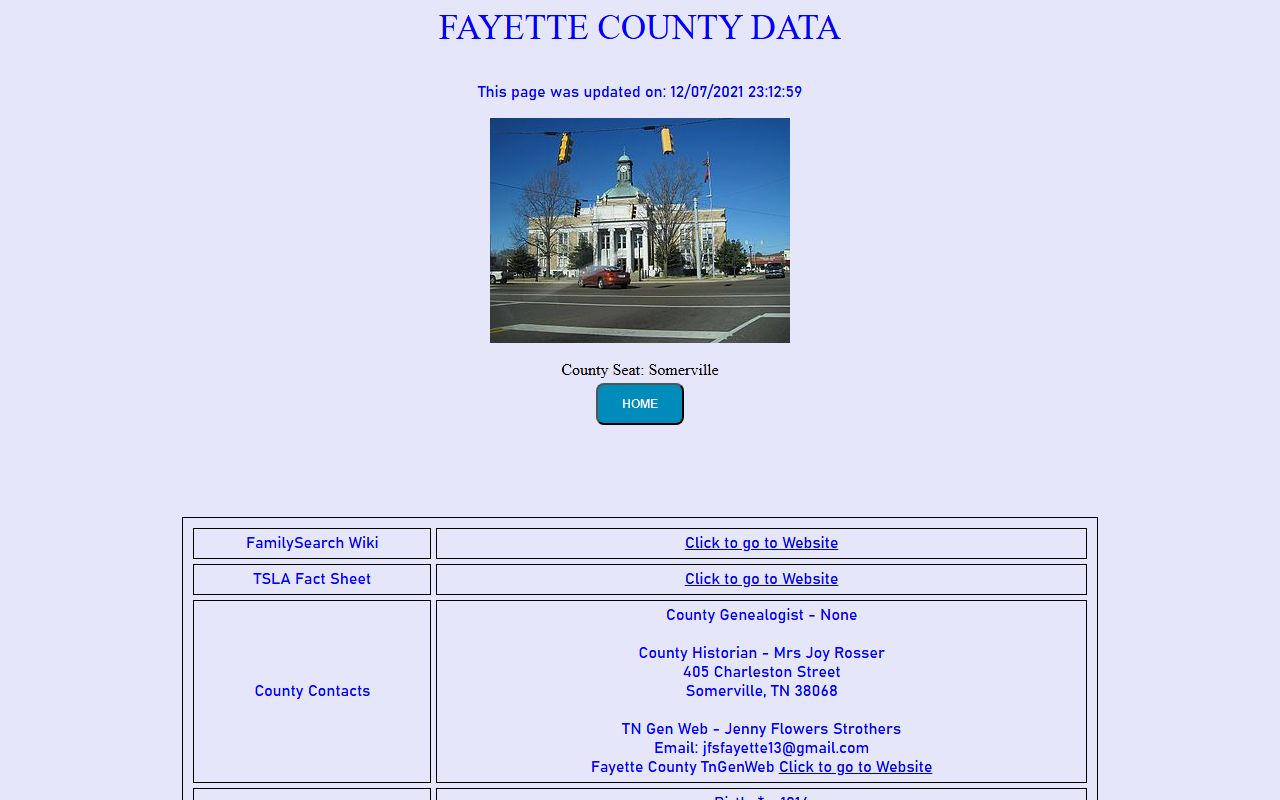
Use both local pages. One gives you the lead, and the other helps place it in the county.
Fayette County also has state support through TSLA's death indexes and through the Tennessee Vital Records office. The research notes show death records back to 1814 in county history and statewide registration from 1908. That means a Fayette County obituary may need to be paired with a later official record if you want to confirm the exact date or burial details. The state indexes at TSLA and the broader guidance at TSLA vital records guide are useful when the courthouse file is thin.
That mix of fire loss and strong local memory is what makes Fayette County worth a careful obituary search. The county record is not absent. It is just split across more than one source.
Search Fayette County Death Records
The Fayette County death search is often the step that makes the obituary useful. The county notes show that births and deaths are tied to the county since 1814, and that marriage records survived from 1838 except for the lost 1918-1925 window. That means a notice can help you bridge a gap in the official record run. The obituary may tell you the family moved through Somerville, a rural church, or a particular burial ground. That is enough to anchor a state index search.
Tennessee's vital records rules still control certified copies. Death, marriage, and divorce records are restricted for fifty years, and births are restricted for one hundred years. The Tennessee Department of Health's Vital Records page and the entitlement guidance explain who can get a certified copy and how. For Fayette County obituary research, that is useful when the public notice has done its job but you still need official proof for a legal or family purpose.
Note: Fayette County research works best when you treat the courthouse fire as a guide to where the gaps are, not as a reason to stop searching.
- Full name and any surname variation
- Approximate death year or publication date
- Somerville, church, cemetery, or farm clue
- Spouse, parent, or child names from the notice
- Any probate, marriage, or land reference
Fayette County Obituary History
The county history itself matters here because the obituary may be the one surviving thread after the fire. If a family lived in Fayette County before 1925, a notice in a local paper or family history book may be more valuable than a missing courthouse file. That is why the county library, historian, and genealogy references are so helpful. They can fill in what the fire took away. In practice, that means a short notice can turn into a family narrative if you follow the names inside it.
Fayette County also has a strong set of neighboring record clues, especially where marriage and land records survived. The obituary may point you to a deed, and the deed may show the same family later. That is a common pattern in this county. Use the local clues first and the state indexes second. The result is usually better than trying to force a single source to do everything.
Fayette County Public Access Notes
Most obituary material is public, but the record type still matters. Newspapers and many county books are open. Certified vital records are controlled by state access rules. The Tennessee Public Records Act supports public inspection of government records, while the vital records rules govern certified copies. For Fayette County, that means the obituary, county clerk records, and state certificate are separate tools. Use each one for the job it does best.
If you start local and stay patient, Fayette County can still give you a solid obituary trail even with the courthouse fire in the background. The surviving records are enough when they are used in order.