
Find Grainger County Obituary Notices
Grainger County obituary work starts well in Rutledge, where the archives and county record offices give you a clear local base. The county formed in 1796, the same year Tennessee became a state, so the paper trail is long and useful. Some searches begin with a death notice and end with a cemetery record or a marriage index, while others move from a family file to a newspaper clipping. Either way, Grainger County rewards a patient search that follows local names first and state indexes second.
Grainger County Quick Facts
Grainger County Obituary Sources
Grainger County has a strong local research base. The Grainger County Archives in Rutledge is a key stop, and Mary Lynn Gilmore manages that collection. The county clerk has marriage licenses from the county’s earliest years, while the register of deeds keeps land records that can help place a family in the right community. For obituary research, those sources matter because they show where a person lived, who their kin were, and what records still survive.
The county also has a strong genealogy footprint. The Grainger County Historical side of the record trail connects to the upper Cumberland research community, and the TNGenWeb Grainger page has a searchable marriage database from 1796 to 1849. That database is useful when a death notice names a spouse or an old family line. It can also help you sort a common surname before you move to a local paper or cemetery book.
Use Grainger County Genealogy early, then compare it with the TN Gen Society county page. The county page and the archive page work well together because one gives you the index and the other gives you the local custody trail. That is the cleanest way to begin a Grainger County obituary search.
Grainger County Obituary Records
Grainger County obituary records often connect to cemetery relocations as well as the death indexes. The county has TVA cemetery relocation records from the dam-building era, and that can matter when a family burial ground was moved or documented in pieces. Cemetery transcriptions, obituary leads, and marriage data all fit into the same search path. If a notice is brief, the cemetery or marriage index can supply the family names you need.
The county’s death record trail also reaches into TSLA and FamilySearch. The Tennessee death indexes cover 1908-1912 and 1914-1933, and the FamilySearch collections extend to later Tennessee death and burial records. That gives you a way to confirm a death year before asking for a copy. For older notices, the Grainger County archives and local transcriptions are often the better starting point.
State and local sources work best together here. The county tells you where the family sat in the local map. The state index confirms the death year. The obituary, if it survives, often sits in the middle and links the two.
Begin with the local county database at Grainger County Genealogy. It is the fastest way to reach the marriage index and cemetery transcriptions.
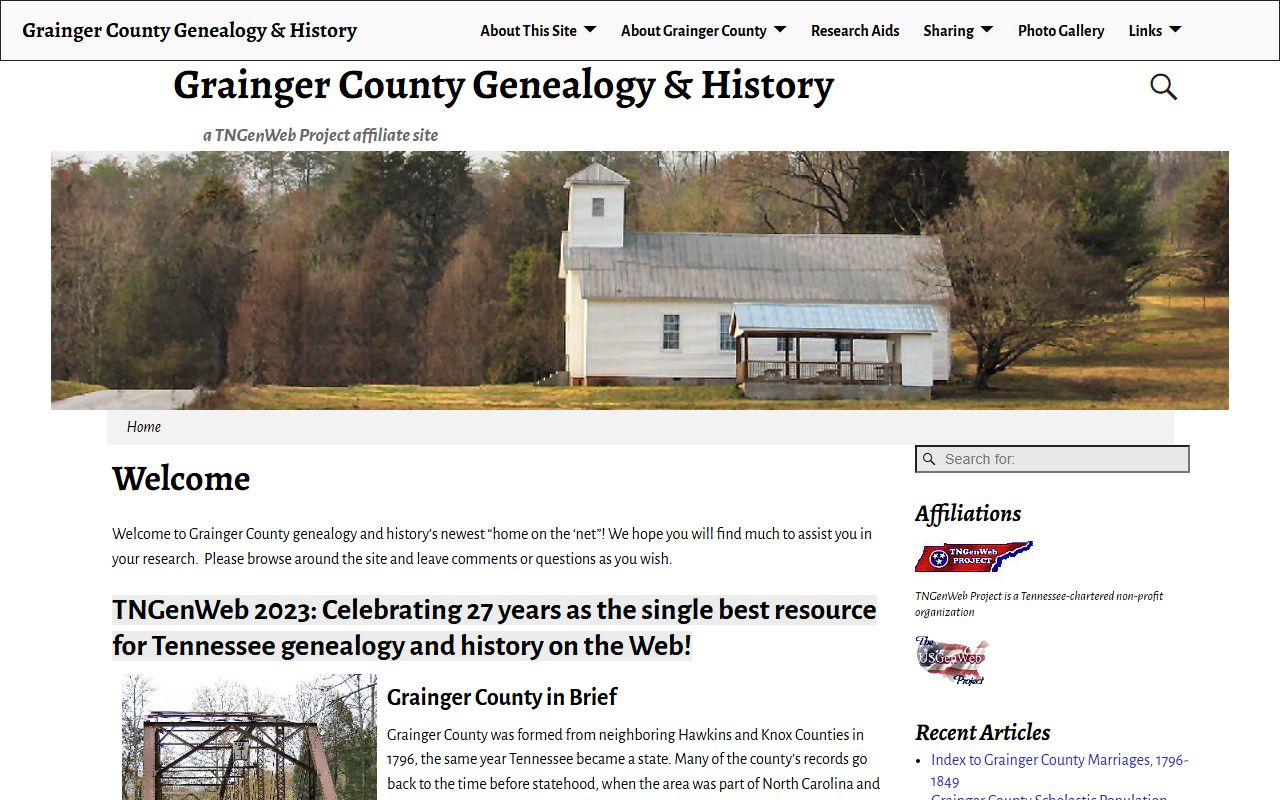
That source is especially useful when you have a surname but not a death date.
Then check the county society page at Grainger County TN Gen Society page. It can help you narrow the search to a branch family or a burial area.
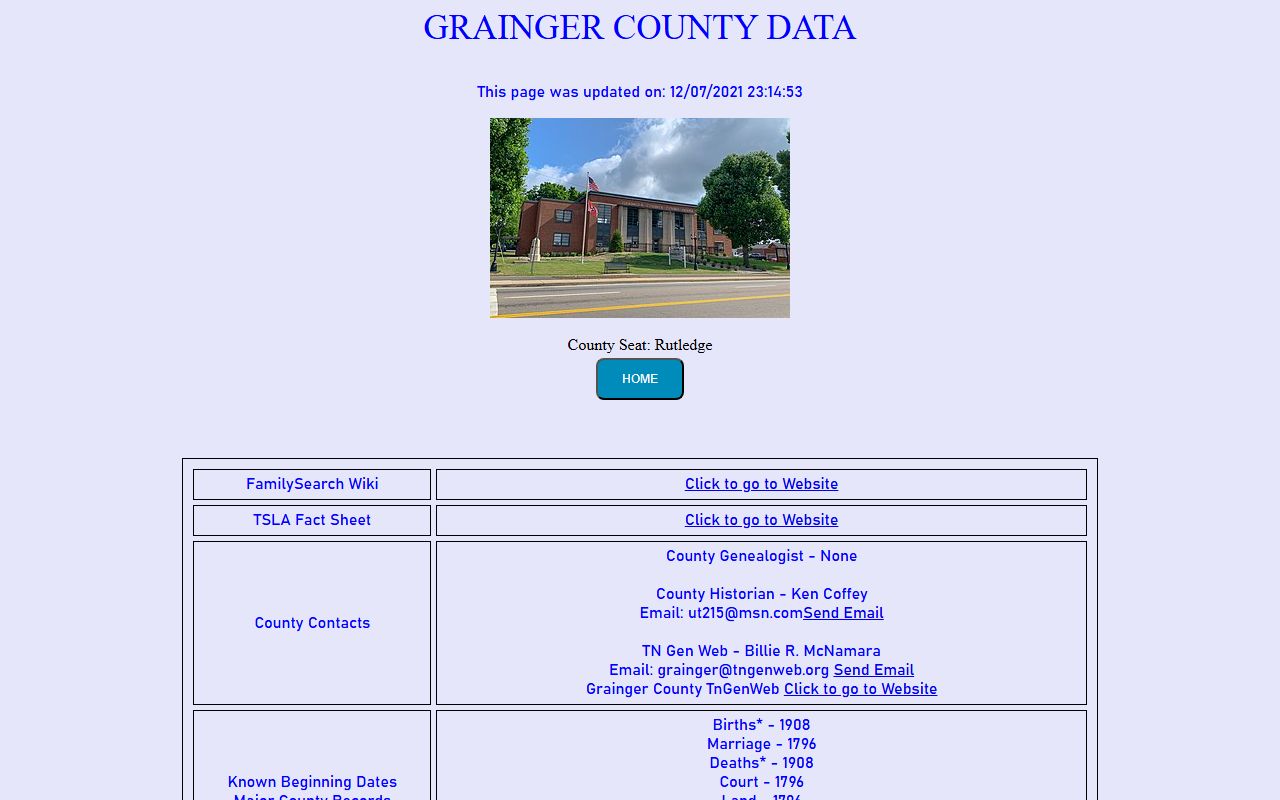
That second page is a useful cross-check when names repeat across generations.
Search Grainger County Obituary Records
Search Grainger County obituary records by starting with the exact person and then adding a spouse, child, or burial clue. The county archive can help you sort the surname trail, and the Tennessee Electronic Library gives residents access to genealogy and newspaper tools. For quick statewide confirmation, use the TSLA death indexes. Those indexes help when the obituary is clipped or incomplete and you need to lock down the year.
If you need a certified death record, the Tennessee Department of Health and Office of Vital Records can explain the current request process. That is not the obituary itself, but it is the best next step when the newspaper note gives you only a partial date. In a county as old as Grainger, the combination of local archive, county clerk, and state index usually gets the job done.
Note: Grainger County obituary searches often work best when the marriage index and cemetery records are checked before the death index.
Grainger County Help
The Grainger County historian, archives, and upper Cumberland genealogy resources are the best local help for this county. When you contact them, keep your request short and specific. Give the full name, an estimate of the death year, and any family name or place clue you have. That lets staff move faster and keeps the search focused on the right line.
The county’s long record history is a strength, but it also means the best obituary path is not always the most obvious one. Some families show up first in a marriage file, then in a cemetery record, and only later in a newspaper notice. That is normal here. The county gives you enough material to build the route one step at a time.
Grainger County Access
Grainger County obituary records are accessible through a mix of county repositories, online indexes, and state archives. The archives office in Rutledge is the best starting point for local material, while TSLA and the Tennessee Department of Health fill in the later confirmation path. If you are unsure where to begin, start with TNGenWeb and the county archives, then work outward from there.
The county has enough surviving material that a good search can often move from family memory to formal proof without much wasted motion. That is the advantage here. The records are not all in one place, but the county has enough depth to make a careful search worth the time.