
Greene County Obituary Search
Greene County obituary searches are usually productive because the county keeps a strong mix of courthouse material, library holdings, and historical support. Greeneville is the county seat, and the county’s early start in 1783 means the record trail reaches back far enough to help with older families. The best searches begin with a name and a rough date, then move into the local library and county offices for burial clues, family files, and newspaper runs. That approach fits Greene County well.
Greene County Quick Facts
Greene County Obituary Sources
Greene County has one of the deeper local record bases in East Tennessee. The county clerk handles marriage licenses from the earliest period, the register of deeds keeps land records from 1783, and the court clerk manages county court records from the same year. For obituary research, that means a death notice can be matched to a marriage, deed, or probate trail. The Greeneville-Greene County Public Library is just as important because its genealogy department holds local history, census records, newspaper microfilm, and family history files.
The Greene County Historical Society adds another layer. Its publications and meeting programs can help with family names, old burial places, and local history context. The county and society pages at Greene County TNGenWeb and TN Gen Society county page are useful early on because they point to transcriptions and local notes. That makes them good first stops before you ask a clerk or librarian for a look at the originals.
Greene County obituary searches work best when you pair a family clue with a place clue. If the notice says Greeneville, a church name, or a nearby cemetery, use that detail right away. It usually narrows the search faster than a broad year range.
Greene County Obituary Records
Greene County obituary records tie closely to the county’s early and continuing paper trail. The death index at TSLA is especially useful for the 1908-1912 and 1914-1933 periods. Those indexed deaths can verify the county, year, and a certificate number. From there, the local library or county office can help you find the obituary or related court material. The county record set is broad enough that a death notice often links to a marriage or property record too.
The local library’s newspaper microfilm can be the key piece if the obituary was printed in a Greeneville paper. Census records and family history files can also help when the surname is common. Because Greene County has long-running local institutions, the record trail is usually less fragmented than in burned counties. That gives you room to work the obituary from several angles.
Statewide confirmation still matters. If the newspaper clipping is partial or undated, the Tennessee death index and the Vital Records office can give you the anchor you need. Once the death year is set, the local research becomes much easier to close out.
Start with the county site at Greene County TNGenWeb. It is the fastest way to reach local transcriptions and place notes.
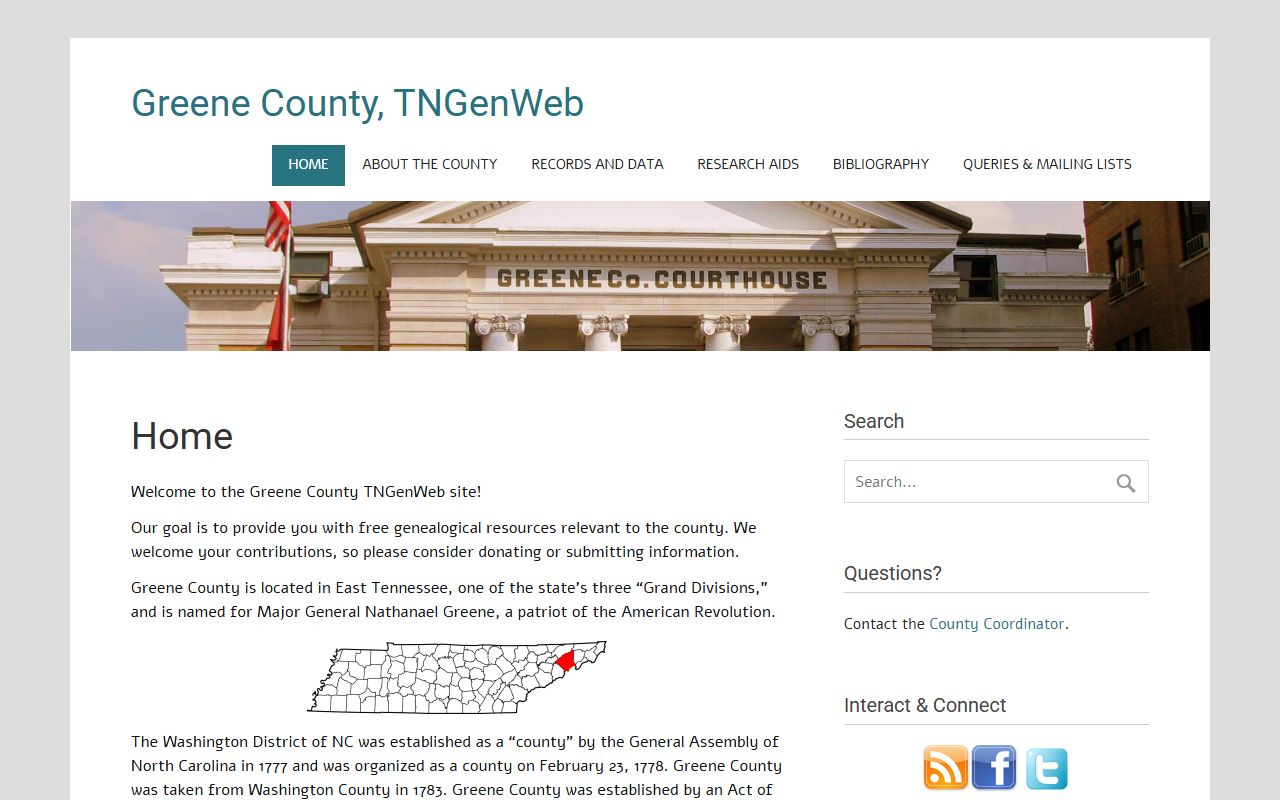
That page is a good first stop when a surname appears in several Greene County branches.
Then check the Tennessee Genealogical Society county page at Greene County TN Gen Society page. It often helps tie a surname to a cemetery or old settlement.
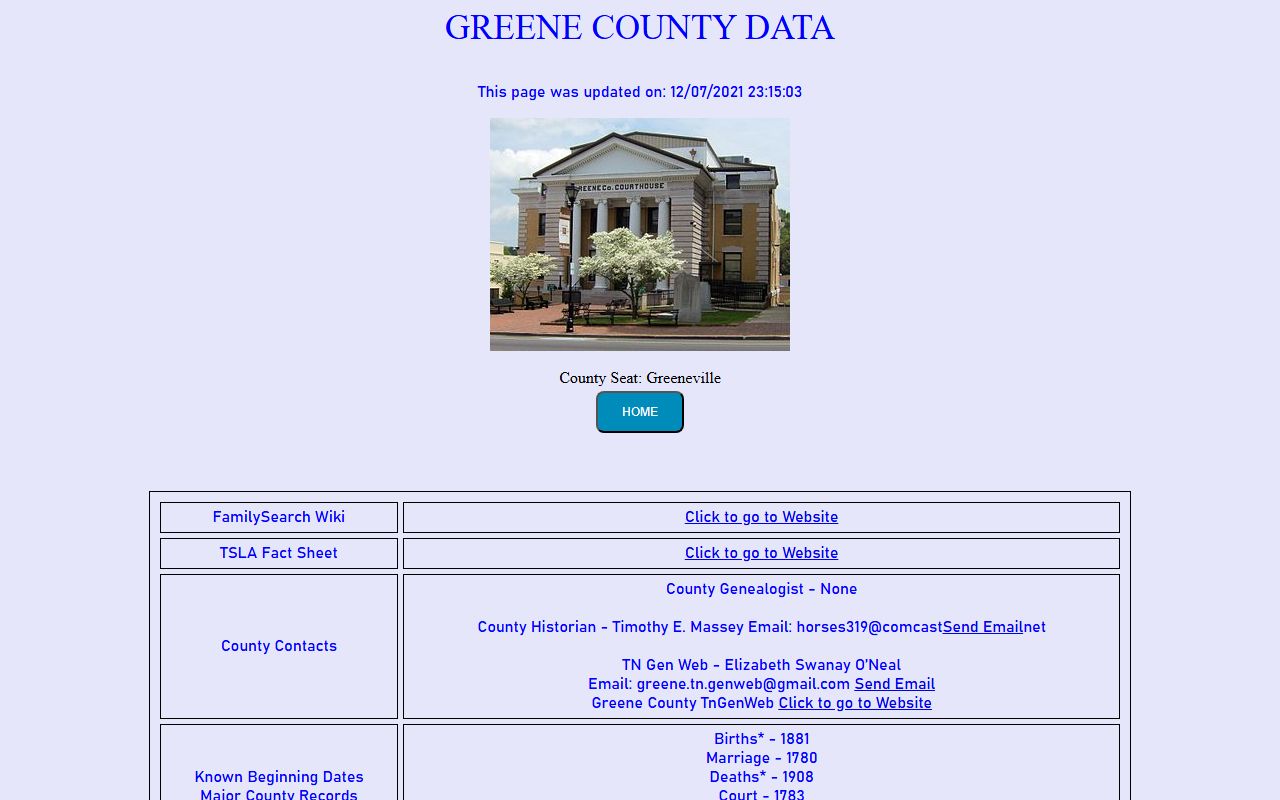
That second page is a quick way to test whether a clue belongs in Greene County or a neighboring place.
Search Greene County Obituary Records
Search Greene County obituary records by using the library first if you think the notice appeared in a local paper. The Greeneville-Greene County Public Library is the best place to check for newspaper microfilm and family history files. County records then help you move from the obituary to a legal or burial record. That pattern is common here because Greene County has enough surviving material to support a layered search.
If you need to verify a death date, use TSLA death records 1908-1912 and TSLA death records 1914-1933. The Tennessee Department of Health can then provide later certified copies where needed. Those state tools help when the obituary gives a name but not a clean date. In Greene County, that step is often the one that makes the rest of the search fall into place.
Note: Greene County obituary searches often go fastest when a library newspaper hit is paired with the state death index.
Greene County Help
The Greene County Historical Society, the library, and the county clerk are the best local help. They can point you toward a newspaper, a family file, or a burial place. When you ask, give the full name and a rough year, then add any church, town, or family clue you already have. That is usually enough to get a useful first answer.
Greene County’s strength is the mix of local and state resources. You do not have to depend on one office or one index. The library can show the obituary, the county office can show the record line, and TSLA can confirm the date. That is the practical way to work the county.
Greene County Access
Greene County obituary records are public-facing through a combination of county offices, the public library, and Tennessee state resources. The county has long-running record series, so access is often a matter of knowing which office or collection holds the clue you need. The county and state together usually cover the full trail from notice to certified record.
If the obituary is tied to a marriage, deed, or probate matter, the county record books can give you the proof. If it is tied only to a newspaper clipping, the library and TSLA tools are usually the faster route. That flexibility is why Greene County is such a good place to do this kind of research.