
Lewis County Obituary Records
Lewis County obituary records are often best found by starting local and then working outward. Hohenwald is the county seat, and the county has a useful mix of clerk records, a local library, and Tennessee genealogy tools. That makes the search practical, not hard. A death notice may lead to a cemetery, a family file, or a newspaper run before it leads to a certified record. Because the county was established in 1843, you can still build a solid trail without needing to guess at every step.
Lewis County Quick Facts
Lewis County Obituary Sources
Lewis County has a compact research footprint. The county clerk in Hohenwald keeps marriage records from 1843, along with probate and court records. The register of deeds also sits at the same address, which makes it easier to move from a death notice to a land or family clue. Lewis County Library adds local history and census resources. That is a useful combination when an obituary is short or when you need one more name to prove you have the right person.
The county’s TNGenWeb page is also worth using early. It lists census transcriptions, cemetery records, obituaries, and family files. Those are the kinds of sources that can save time when a notice was printed in a local paper but not yet digitized. Lewis County Historical Society material can add a little more context if the name ties to a long-running local family. The county is not overbuilt with records, but it is organized enough to make a clean search possible.
Start with Lewis County TNGenWeb and the TN Gen Society county page. They are the fastest path to the county’s local surname and cemetery clues. Those clues often lead to the obituary itself or to a record that confirms the same family line.
Lewis County Obituary Records
Lewis County obituary records usually connect to cemetery searches, local newspapers, and county marriage files. The county clerk’s 1843 start date matters because it gives you a base for family lines that stay in the county for more than one generation. Hohenwald newspapers and the Columbia Daily Herald are useful regional sources, and Nashville papers can help when a person had broader family or business ties. That makes the county a good place for obituary research with some reach.
The local cemeteries, especially Hohenwald Cemetery and Lewis County Memorial Gardens, are helpful because obituaries in smaller counties often mention burial sites directly. Family cemeteries can also matter a lot. A notice may be brief, but if it names the burial place, you can often trace the rest of the family through the cemetery list and a county marriage record. That is a normal route here.
State death indexes are still important. TSLA’s indexed death records for 1908-1912 and 1914-1933 can verify a date and county. If you need a certified copy, the Tennessee Department of Health and Vital Records office can explain the current request path. The county gives the clue, and the state gives the proof.
Read the county genealogy page first at Lewis County TNGenWeb. It is the simplest way to find the county’s cemetery and obituary pointers.
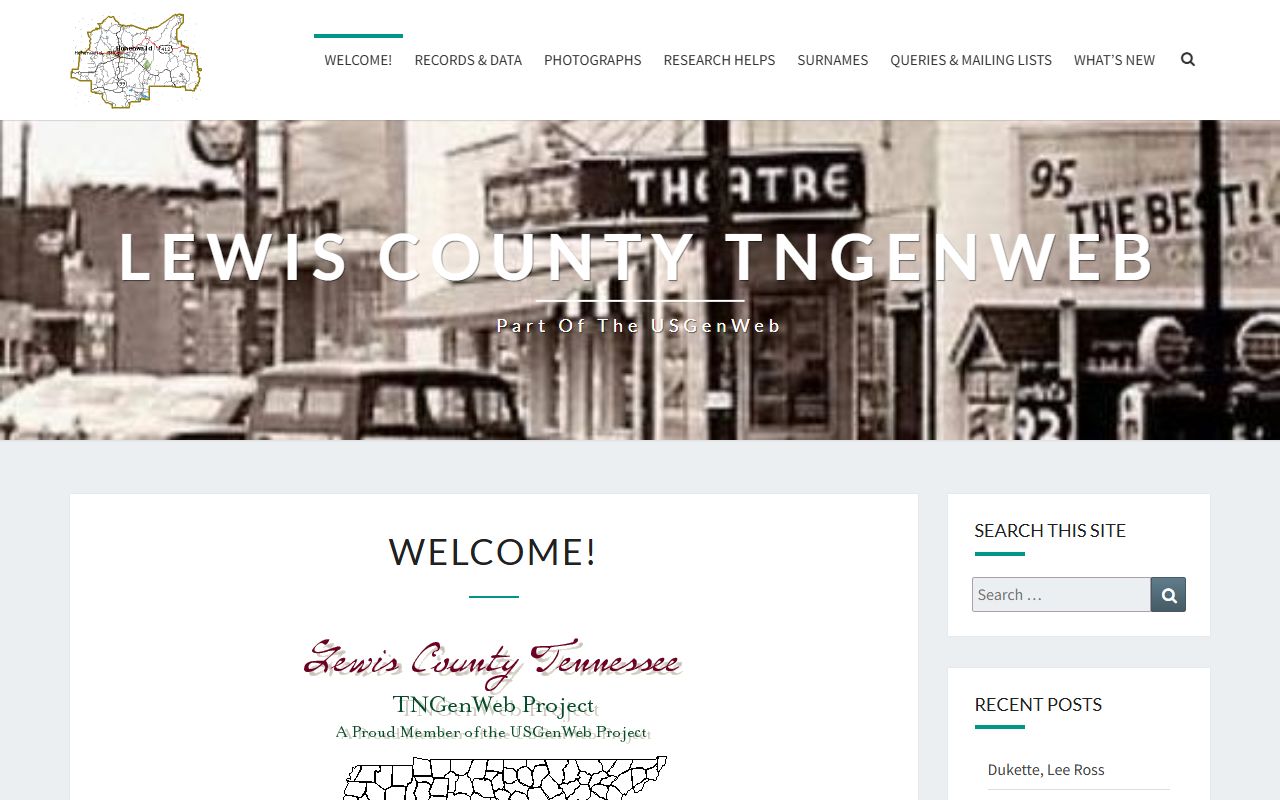
That page is useful when you only have a surname and need a local direction.
Then use the Tennessee Genealogical Society county page at Lewis County TN Gen Society page. It can help confirm whether a family belongs in Lewis County or a neighboring county.
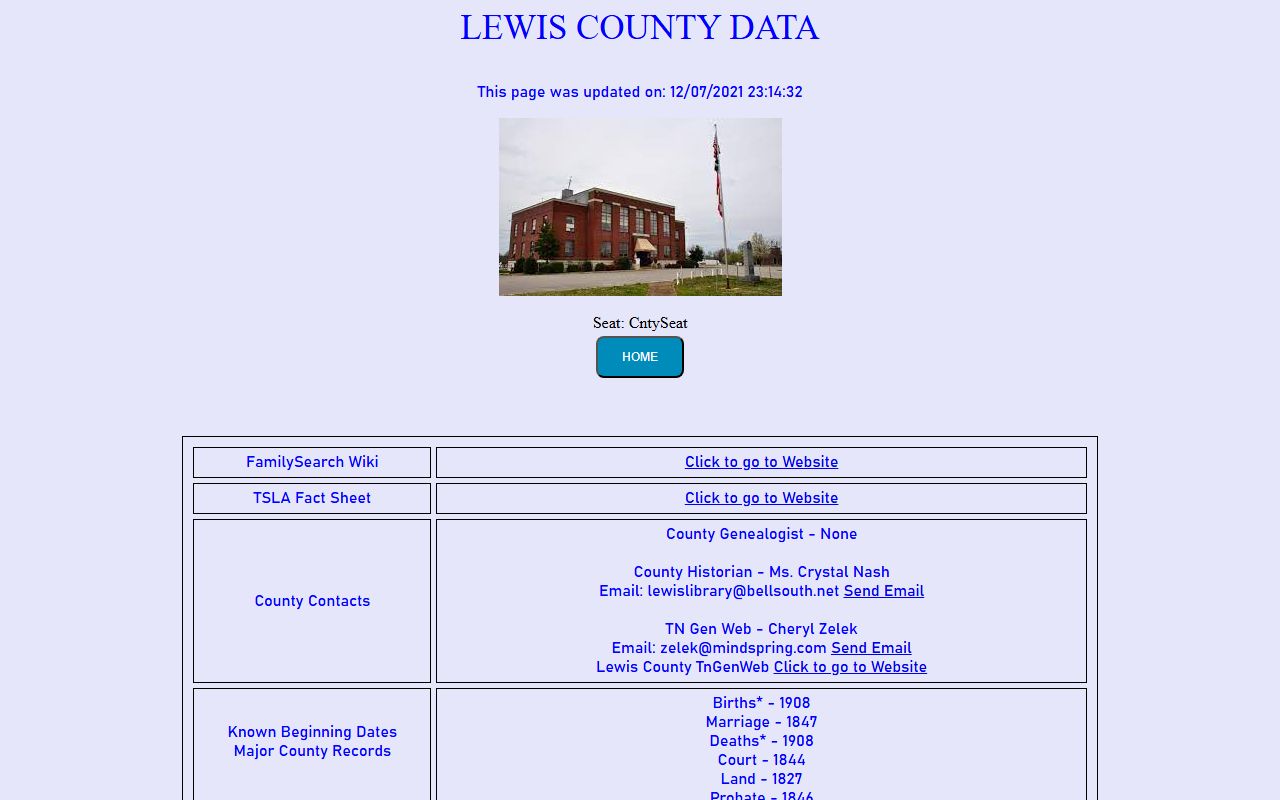
That second page is a good check when surnames repeat across lines.
Search Lewis County Obituary Records
Search Lewis County obituary records by using the county clerk, local library, and TNGenWeb together. The Lewis County Library at 15 E Linden Street is useful for local history and census records. It can help you move from a death notice to a family group, which is often the most important step. A name in an obituary is better when you can tie it to a spouse, a burial place, or a child in the same county.
If you need date confirmation, use the Tennessee death indexes at TSLA death records 1908-1912 and TSLA death records 1914-1933. Those can settle the death year and county quickly. For later certificates, the Tennessee Vital Records office can handle the request. In Lewis County, that is often the cleanest way to move from a notice to a formal record.
Note: Lewis County obituary searches usually work best when the local library is checked before a state certificate request.
Lewis County Help
The Lewis County Historical Society and the county library are the best local helpers. They can point you toward local history collections, census records, and obituaries. When you ask for help, give the full name, an approximate death year, and any family or cemetery clue. That keeps the search narrow and useful.
Lewis County is a good example of a county where small, focused requests pay off. The records are not overwhelming, but they are enough to support a careful search. That makes it easier to get from a newspaper lead to a real document without getting lost in unrelated material.
Lewis County Access
Lewis County obituary records are public-facing through county offices, TNGenWeb, local newspapers, and state indexes. The county clerk and register of deeds can help with the record trail, while the library can help with local history and census details. The county is straightforward enough that you can usually start with one clue and move directly to the next.
The county and state together give you the full path from notice to verification. If you need just one reliable starting point, use the local genealogy site first and then move to the state indexes once you have a likely death year.