
Search Sevier County Obituary Records
Sevier County obituary records are shaped by strong local history and some serious early loss. The county seat is Sevierville, and the county has fire-damaged courthouse records, lost early censuses, and lost marriage and probate books from the earliest years. That means obituary work depends on the county archives, the preservation department, the Tennessee Genealogical Society page, and local library resources. Start with the surname, then add a town or a cemetery. In Sevier County, the obituary trail is best when it stays local and specific.
Sevier County Obituary Records
Sevier County was established in 1794 and named for John Sevier, the first governor of Tennessee. The county clerk, register of deeds, circuit court clerk, and preservation of records department all help keep the county's paper trail alive. But the county also lost early records, including 1794 to 1855 marriage books and 1794 to 1848 probate records. That makes obituary work a bit more layered because a death notice may need to be paired with substitute land or family records.
The county archives and preservation department are especially important because they hold microfilmed county records and help researchers with the surviving file set. The Tennessee Genealogical Society county page adds record beginning dates, society contacts, historical society details, and local library information. That is all useful in a county with a lot of early loss because it helps you decide where the family trail might still survive.
The Sevier County Archives page at www.seviercountytn.org is the natural first stop when a notice leads toward county records. If the obituary points to a marriage, probate, or land clue, that county page can help you keep the search focused.
The Sevier County Archives page at www.seviercountytn.org is a useful starting point for county obituary research.
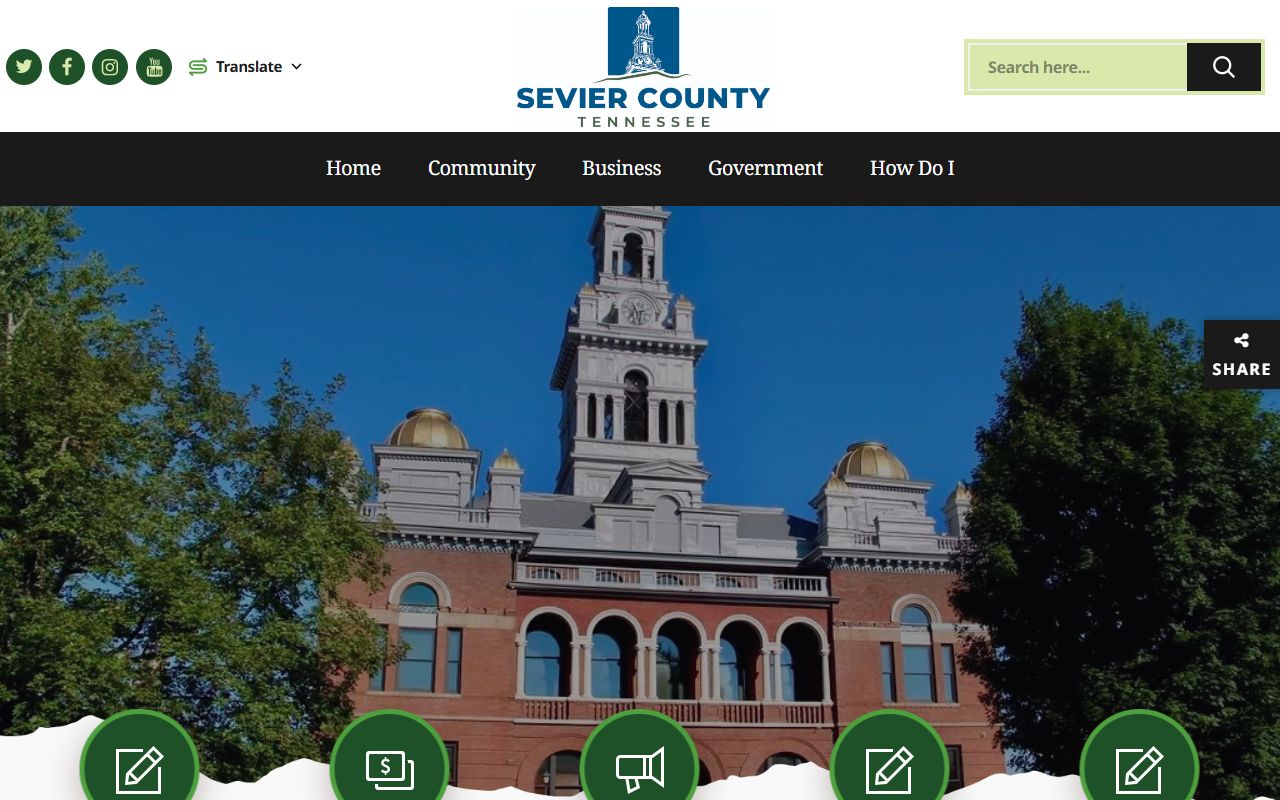
That page is useful when an obituary needs a county-level follow up.
Search Sevier County Obituary Records
A Sevier County search should begin with the town. Sevierville, Pigeon Forge, Gatlinburg, and Seymour all show up in local obituary resources. That matters because many notices are tied to a funeral home or a town paper rather than a county office. If the first search misses, try the county death indexes, obituary resources, or a town paper. In Sevier County, the town clue is often the fastest route to the right family.
The Tennessee Genealogical Society county page at tngs.org/resources/Site/Custom_HTML_Files/TCD/County/Sevier.html is a strong support source because it lists county contacts, library resources, funeral homes, and microfilm notes. It also makes the record loss plain, which helps you avoid chasing the wrong early book. That keeps the search practical and local.
Use these clues when you need a tighter search.
- Full surname and any alternate spelling
- Likely death decade
- Sevierville, Pigeon Forge, Gatlinburg, or Seymour
- Funeral home or cemetery name if known
Once you have the town, the obituary search usually becomes much easier.
Sevierville Obituary Sources
Sevierville is the county seat and the best place to start when the obituary mentions the county but not the town. The county clerk's marriage and probate records begin in the mid-1850s, but earlier material may be missing because of the fire and record loss. That makes the local obituary indexes and funeral home records especially valuable. The county archive and preservation department help hold the surviving microfilmed records together.
The obituary and newspaper resources for Sevier County are broad. They include the Mountain Press, Sevier County obituary indexes on several genealogical sites, and funeral home indexes from Atchley and Rawlings. That gives researchers several ways to confirm a death notice, a burial place, or a family connection. You can often move from a newspaper name to a funeral home index and then to a county record or cemetery record.
The TNGenWeb Sevier County page at tngenweb.org/sevier/ is useful because it keeps the county-level contact, record, and library information together. That saves time when the obituary needs a county lookup next.
The TNGenWeb Sevier County page at tngenweb.org/sevier/ is a helpful county-level guide for obituary work.
The Sevier County county guide at tngs.org/resources/Site/Custom_HTML_Files/TCD/County/Sevier.html is a good companion because it pulls the library contacts, funeral-home notes, and record dates into one place. That makes a Sevier County obituary records search easier to localize when the town clue is thin.
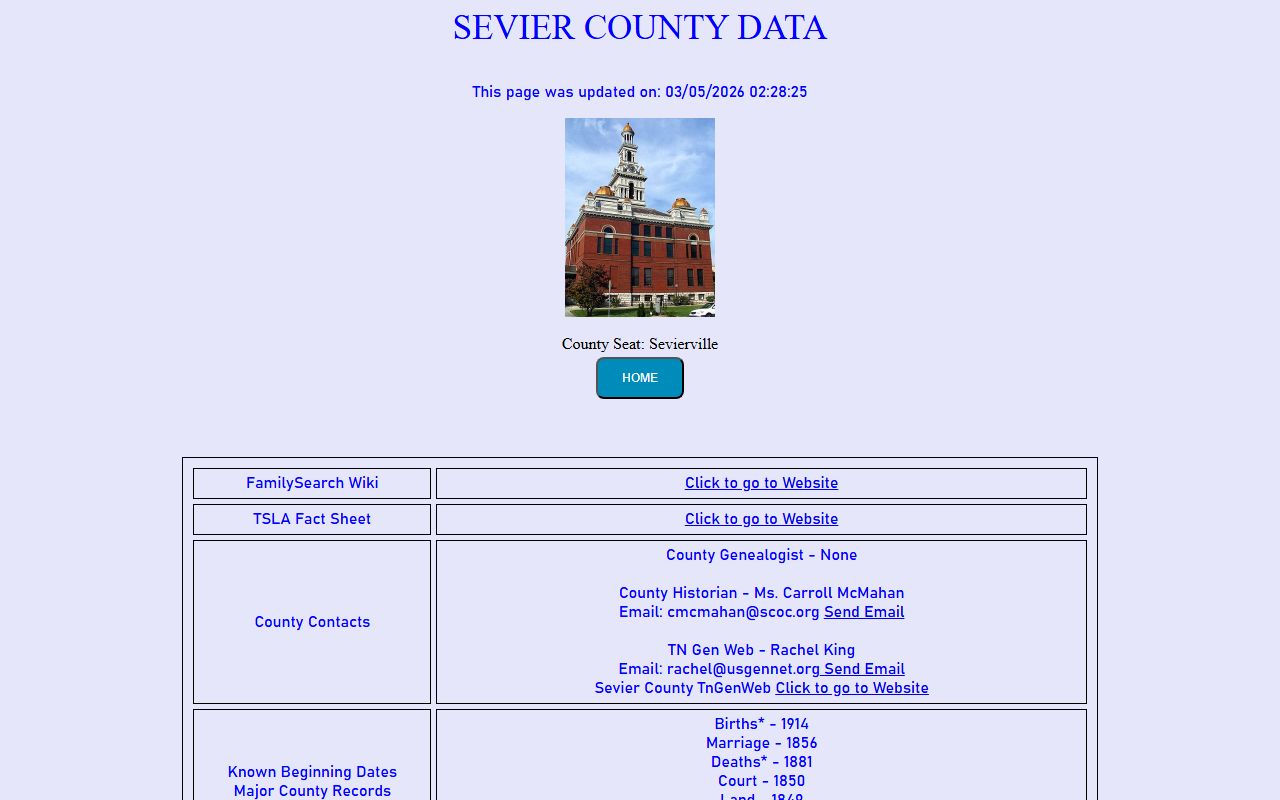
That county page works well after a newspaper or funeral-home lead because it points you back to the surviving Sevier County obituary records sources.
That page keeps the county contact and record notes in one place for a quick follow up.
Sevier County Obituaries in Records
Sevier County obituary work often depends on substitute records. The county's microfilmed inventory includes county clerk estates, marriages, wills, vital statistics, register of deeds indexes, military discharges, and trust deeds. That matters because the obituary may point to a family buried in an old cemetery or a property line that only shows up in a deed book. In a county with missing early marriage and probate books, those substitutes are essential.
The local library system and history center are also useful. King Family Public Library, the Rel & Wilma Maples History Center, and the branch libraries in Kodak and Seymour give the county several local research points. That helps with obituary work because a family may be better documented in a local library file than in a courthouse book. The county is very good for that kind of layered search.
Note: In Sevier County, the obituary is often strongest when paired with a funeral home record, a cemetery record, and a substitute county record.
Sevier County Obituary Access
Most Sevier County obituary material is public to search, but state rules still matter when you move to certified records. Under T.C.A. § 68-3-205 and T.C.A. § 68-3-206, death certificate access is not the same as obituary access. That matters when a notice points to a formal certificate order. It also matters because Sevier County has enough local material that you can usually confirm the family before you spend money.
The Tennessee vital records guide at sos.tn.gov/library-archives/guides/vital-records-at-the-library-and-archives is useful if the obituary leads into an official request. Sevier County researchers often use the county archive and TNGS page first, then move to the state if they need proof. That is a sensible order in a county with both strong resources and heavy record loss.
Request Sevier County Copies
To request copies, begin with the source that fits the question. Use the county archives for surviving microfilmed records. Use TNGenWeb for county-level contacts and record notes. Use the history center or library for local family and newspaper clues. If you need a certified death certificate, use the state vital records office. Sevier County works best when you match the request to the source instead of trying one broad search for everything.
The county's obituary resource pages and funeral home indexes can help you determine whether you need a newspaper notice, a funeral card, or a county record. That is useful because many Sevier County families have records in several of those places. A clear request with a town name and a date range usually gives the best result.
If you want one more pass at the county resources, return to the Sevier County TNGS page at tngs.org/resources/Site/Custom_HTML_Files/TCD/County/Sevier.html.