
Search White County Obituary Records
White County obituary records are easiest to work when you anchor the search in Sparta and keep the county clerk records close at hand. White County was formed in 1806 from Jackson and Smith counties, so the family trail can reach back before many modern indexes begin. The county clerk has marriage and probate records from 1809, and the Register of Deeds has land records from the same year. That is a strong start when a notice is brief or missing. A surname, a farm, or a church name can still lead you to the right family line.
White County Obituary Records
White County obituary work starts with the county clerk because the office is tied to marriage, probate, and land records from 1809. That gives a researcher a local paper trail even when the obituary itself is short. If the notice names a spouse or child, the clerk books may identify the same family in a marriage or probate file. If it names a farm or road, the land records may give the place. Those connections are especially useful in a county that was created as early as 1806.
Sparta is the county seat, and that matters because many White County record clues will come back to the same town name. The office trail, the county history, and the obituary all point back to the same local center. When a family moved in from Jackson or Smith County before White County was organized, the older county records may carry the first clue. That is why White County obituary research should be paced around the 1809 record base and not around a single newspaper index.
The White County clerk page at whitecountytn.gov/county-clerk is the office path from the research notes, and the FamilySearch county wiki at familysearch.org/en/wiki/White_County,_Tennessee_Genealogy gives the county history frame. Even if the local web page is thin, the office and the county history still define the research route.
The Tennessee Virtual Archive at teva.contentdm.oclc.org is a strong state fallback when White County obituary material is not indexed well.
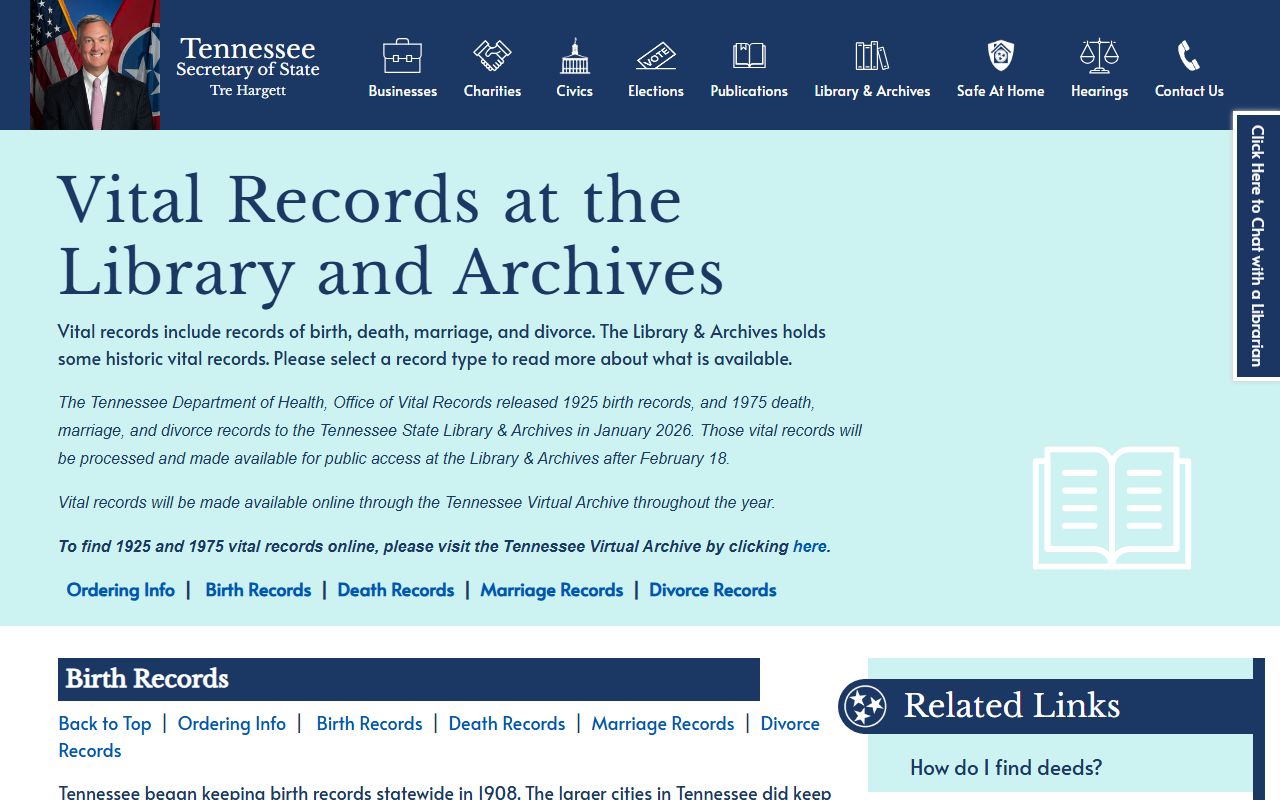
That statewide index helps when the county notice is hard to locate but the death date is known.
How to Search White County Obituary Records
Start with the town, then the surname. Sparta is the obvious first stop, but nearby communities and older family farm names can matter just as much. White County obituary records are often tied to a church, a cemetery, or a probate note that says more than the newspaper notice itself. The county clerk's 1809 marriage and probate start dates are useful because they give you a built-in way to trace the same family across different books. That can be faster than chasing a name through a broad Tennessee search.
Statewide death records are a later tool. Tennessee did not require death registration until 1908, and some years were spotty even after that. For a White County person who died before the state system was strong, an obituary may be the best proof you can get. For a later death, the state index can confirm the year and certificate number. The trick is to use the local notice and the state record as partners, not as competing sources.
- Keep Sparta and any nearby community name together.
- Check marriage and probate files for the same family.
- Use cemetery and church names as search keys.
- Try the state index once the county clue is set.
That order keeps the search tight and stops the county trail from spreading too far.
White County Obituary Sources
White County sources are smaller than those in a big city, but they are often enough to connect the family. The county clerk's office can show marriage and probate links. The Register of Deeds can show property and place. FamilySearch gives you the county history frame. Put those together and a thin obituary becomes a more complete record of the person and the family line.
State resources remain important because they fill in the gaps when local copies are missing. The TSLA Genealogy Index Search at sos.tn.gov/products/tsla/genealogy-index-search and the Tennessee Department of Health vital records help center at vitalrecords.tn.gov/hc/en-us are both useful when you need to confirm a death date or understand the copy request path. A county obituary and a state certificate may tell the same story from two different directions.
The state vital records help center at vitalrecords.tn.gov/hc/en-us is the right place to confirm the certified-copy route.
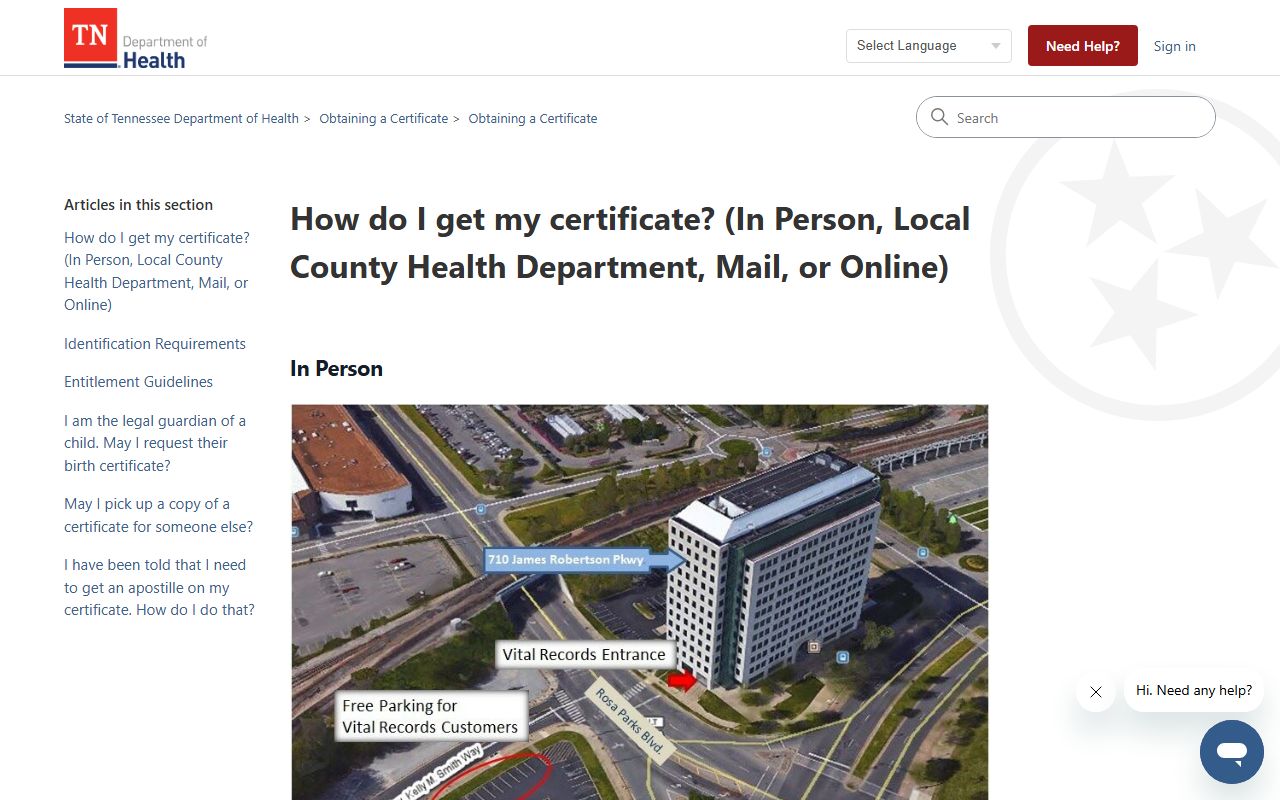
That ordering guide helps when you need proof instead of just a local reference note.
White County Libraries and Archives
Libraries and archives matter in White County because the oldest records are also the ones most likely to help with obituary work. A death notice may be missing, but a marriage file or probate packet can still confirm the family. When you see a spouse, a child, or a property name, write it down and look for the same name in Sparta records. That repeated detail is often what turns a guess into a confirmed match.
White County fits a broader Tennessee pattern too. Older counties often have the best paper trail in courthouse books, while the state system becomes stronger after 1908. If you need to cross that line, the county records and the state death indexes should be used together. The result is a cleaner search and a better chance of finding the obituary, the certificate, or both.
Public Access to White County Obituary Records
Most White County obituary records are public, but the certified-copy rules are narrower. Newspaper notices, index pages, and many archive references can usually be read without special permission. Certified death records are controlled by Tennessee access rules, and that is where the requester's relationship or purpose matters. Under T.C.A. § 68-3-205 and T.C.A. § 68-3-206, a public reading copy and a certified copy are not the same thing.
For White County, this means the obituary can guide the family history search even when the certified certificate is harder to obtain. If the death is later, the state system is the natural next stop. If the death is early, the county books may be the only surviving route. Either way, the access rules stay tied to the kind of record you want, not just to the county where the person lived.
Request White County Obituary Copies
When you ask for a copy, be direct. Give the full name, the county, the likely date range, and any spouse or cemetery clue. White County records begin early, but the county can still require a careful search when the name is common. The more specific your note, the better the match. If the obituary only appears as a reference in a cemetery book or a probate file, cite that source too. It may be enough for the office to locate the right file on the first try.
When the local trail ends, use the state system. The Tennessee Department of Health help center at vitalrecords.tn.gov/hc/en-us/articles/36323891148435 explains ordering steps, and the TSLA indexes can help you pin down a date before you place the request. That sequence is usually the fastest way to move from an obituary clue to a certified record.